

The journey of converting a commercial space from a mere concept to a fully operational store is both exciting and complex. A successful retail fit-out not only enhances the visual appeal of your store but also plays a crucial role in influencing customer experiences and driving sales. With the appropriate approach, a meticulously planned fit-out can create an inviting atmosphere that encourages shoppers to spend more time in your store and ultimately boosts your bottom line.
In this detailed guide, we will explore the nuances of retail fit-outs, exploring everything from layout and strategy to financial planning and project management. Whether you are launching a new venture, undergoing a renovation, or looking to revitalize an existing space, understanding the fit-out process is essential for creating a store that resonates with your intended audience. Join us as we navigate the steps involved in a successful retail fit-out and discover the trends and fresh ideas that are shaping the future of retail environments.
Comprehending Retail Fit-Outs
Retail outfitting refer to the process of transforming a vacant space into a well-equipped retail space that meets the particular needs of a company. This process begins with the initial concept, where brand owners and designers work together to envision how the space will not only appear but also function. It covers everything from the layout and design to the selection of materials and fixtures. An effective retail fit-out is crucial for ensuring that the brand message is communicated clearly and that customers experience welcomed and involved.
The significance of retail fit-outs goes beyond aesthetics. A carefully designed fit-out can greatly enhance the customer experience, allowing for smooth navigation and product visibility. By carefully considering aspects such as store layout, lighting design, and the inclusion of branding elements, retailers can create engaging shopping environments that promote customer interaction and repeat visits. This deliberate approach directly correlates with increased sales and brand loyalty.
In today's competitive market, remaining up-to-date with retail fit-out trends is essential. Businesses must adapt to changing consumer preferences, emerging technologies, and sustainability practices to stay competitive. Innovations in design and the integration of smart technology can result in unique customer experiences that set a store apart from its competitors. Understanding the nuances and trends within retail fit-outs can enable businesses to create spaces that not only draw in customers but also represent the brand's identity and values.
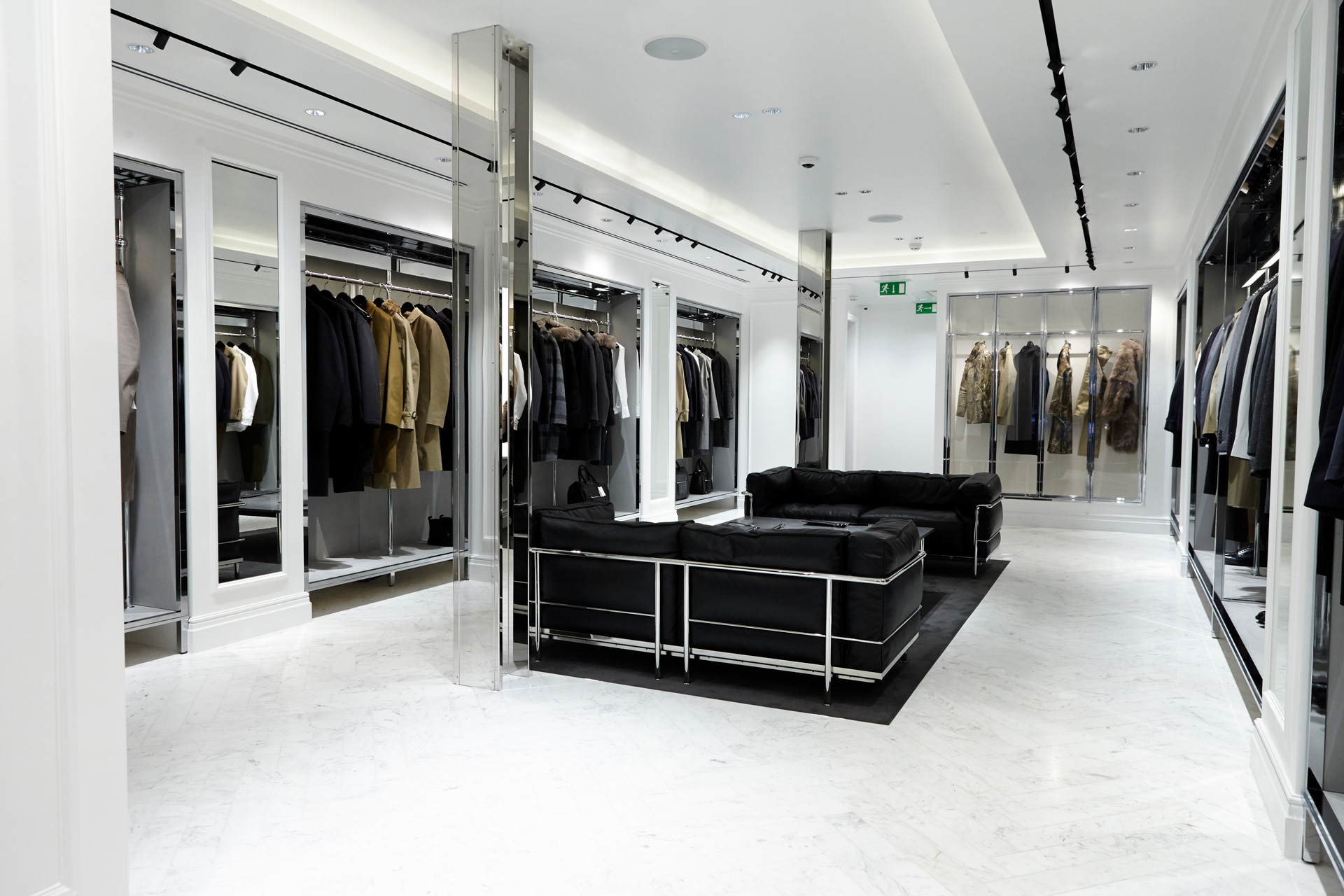
A Commercial Fit-Out Procedure
The retail fit-out procedure is a vital step that converts a conceptual design into a usable retail space. It begins with extensive planning and design, where organizations focus on their objectives, target market, and brand identity to create a plan that resonates with shoppers. Engaging with professional designers ensures that every aspect, from layout to fittings, is purposeful and optimized to enhance shopper flow and satisfaction.
Once the design is approved, it's time to proceed into construction and installation. This stage typically entails collaborating with builders and vendors to bring the vision to life. Effective project management is crucial during this stage to ensure that timelines are adhered to and that any potential issues are addressed promptly. Coordination between all parties involved plays a key role in sustaining progress and keeping the project within budget.
After construction, the next step involves styling and displaying the space. This is where the brand's character is brought to life through branding, illumination, hue schemes, and product displays. An inviting store setting not only draws in customers but also encourages them to explore further, leading to increased revenue. Properly executing this final step is essential to creating a friendly atmosphere that invites shoppers to come back.
Eco-friendliness and Creativity in Retail Spaces
In recent times, environmental responsibility has become a crucial aspect of store designs, driven by both consumer demand and regulatory pressures. Retailers are increasingly looking for green materials and processes that reduce their environmental impact. see post , such as using recycled materials, energy-efficient lighting, and low-VOC paints, not only contribute to nature conservation but also resonate with shoppers who prioritize sustainability in their purchasing choices.
Innovation plays a important role in modern retail fit-outs, with tech advancements becoming a significant driver of transformation. Innovative tech tools, such as IoT-enabled devices for inventory management and automated lighting systems, can enhance productivity and customer engagement. These advancements allow retailers to create dynamic and interactive spaces, making the shopping experience more enjoyable while optimizing operational costs. Staying ahead of the curve with creative fit-out strategies can set apart a retail brand in today's challenging market.
As sustainability and innovation converge, businesses have the opportunity to create fit-outs that reflect their brand values while meeting the needs of today's environmentally aware consumers. By investing in green technologies and prioritizing sustainable practices, retailers can not only future-proof their spaces but also build lasting relationships with customers who value their commitment to the planet. This approach not only enhances the shopping environment but also positions the brand as a pioneer in green commerce.