

Within the fast-paced world of retail, creating a compelling and practical space is essential for success. A well-executed retail fit-out can significantly enhance customer experience, boost sales, and reflect your brand’s identity. Understanding what a retail fit-out entails and its importance for your business is the initial step in navigating the complicated landscape of regulations, design innovations, and project management.
From envisioning the vision to the final touches, the journey of a retail fit-out is filled with opportunities and obstacles. Whether you are an well-known brand looking to refresh your store or a recently launched business entering the market, knowing how to efficiently manage your fit-out project is essential. This content will guide you through the various aspects of retail fit-outs, including design, budgeting, sustainability, and cutting-edge trends that are set to shape the future of retail in the upcoming years.
Grasping Retail Interior Designs: Significance and Advantages
Retail fit-outs are vital for creating a environment that successfully reflects your brand’s identity and engages customers. A well-executed fit-out goes beyond mere aesthetics; it plays a key role in influencing the complete customer experience and functional efficiency. Retailers must ensure that the atmosphere is welcoming, efficient, and conducive to shopping, as these elements significantly impact consumer actions and buying decisions.
Spending in a high-quality retail fit-out can lead to higher sales and customer loyalty. By creating a setting that enhances product exposure and creates a seamless shopping experience, businesses can motivate customers to spend more time in-store. Effective layouts, strategic lighting, and welcoming color schemes can enhance the atmosphere, making it more pleasant for customers to explore. Additionally, a carefully designed retail environment can help differentiate your business from rivals, creating a distinctive presence in the industry.
Furthermore, fit-outs provide an avenue to incorporate innovative solutions and sustainable practices. By selecting eco-friendly materials and energy-efficient technologies, retailers can reduce their environmental impact while attracting the increasing segment of green-minded consumers. Embracing Retail Fit Out Devon can additionally position your business as a progressive entity that prioritizes sustainability, ultimately enhancing the perception of your brand and customer trust.
The Retail Fit-Out Process: Planning and Execution
The commercial fitting process begins with meticulous planning, which is crucial for achieving a successful outcome. This stage involves defining the objectives, assessing client needs, and establishing a definitive vision for the space. Key elements to consider during planning include spatial design, branding elements, and customer flow. Collaborating with key players, such as business owners and design professionals, can assist in synchronizing goals and expectations, ultimately leading to a detailed plan that meets functional and aesthetic requirements.
Once preparation is completed, the implementation phase begins. This includes acquiring essential licenses and approvals, which is vital for compliance with regional regulations. Engaging a reliable contractor can streamline this phase, as they will oversee the construction logistics and liaise with suppliers. It's essential to ensure open communication with all parties engaged, making sure that the project adheres to deadlines and budgets. Regular site visits can help identify any potential issues early, allowing for prompt adjustments.
As the fit-out advances, focus should be paid to the last details that improve customer experience. This includes elements such as lighting design and material selection, which greatly contribute to the overall atmosphere. Using innovative technologies can additionally elevate the venue, making it more appealing and efficient. By focusing on these details during the execution phase, businesses can create a retail environment that not only draws customers but also builds brand loyalty and return visits.
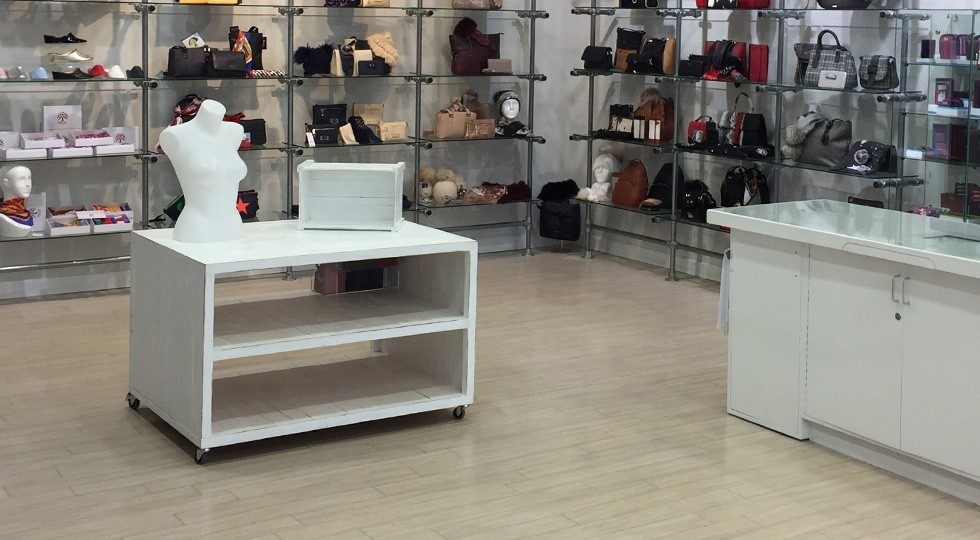
Sustainability and Innovation in Retail Fit-Outs
In recent years, eco-consciousness has emerged as a critical consideration in the retail fit-out process. Businesses are continuously realizing the value of creating environmentally friendly spaces that not only meet regulations but also resonate with consumers who prioritize sustainability. Using eco-friendly materials, green lighting, and sustainable design practices can greatly decrease the carbon footprint of a retail space. This shift only meets the demands of environmentally aware shoppers but also enhances the brand image, leading to higher customer loyalty.
Innovation plays a essential role in changing retail fit-outs into engaging environments that draw in and entice customers. By incorporating smart technology, retailers can create immersive shopping experiences. Technological advancements such as augmented reality displays, personalized shopping applications, and innovative lighting design can elevate customer engagement and optimize operations. Retailers that embrace technology merely improve operational efficiency but also create memorable experiences that encourage repeat visits.
Juggling sustainability and innovation can result in a one-of-a-kind retail fit-out that differentiates itself in a competitive market. For instance, utilizing recycled materials for fixtures while integrating cutting-edge technology can create a aesthetic and functional space that aligns with modern consumer values. As the retail landscape continues to develop, businesses must remain agile, adapting to emerging trends and focusing on sustainable practices that not only benefit the environment but also increase sales and enhance the overall shopping experience.