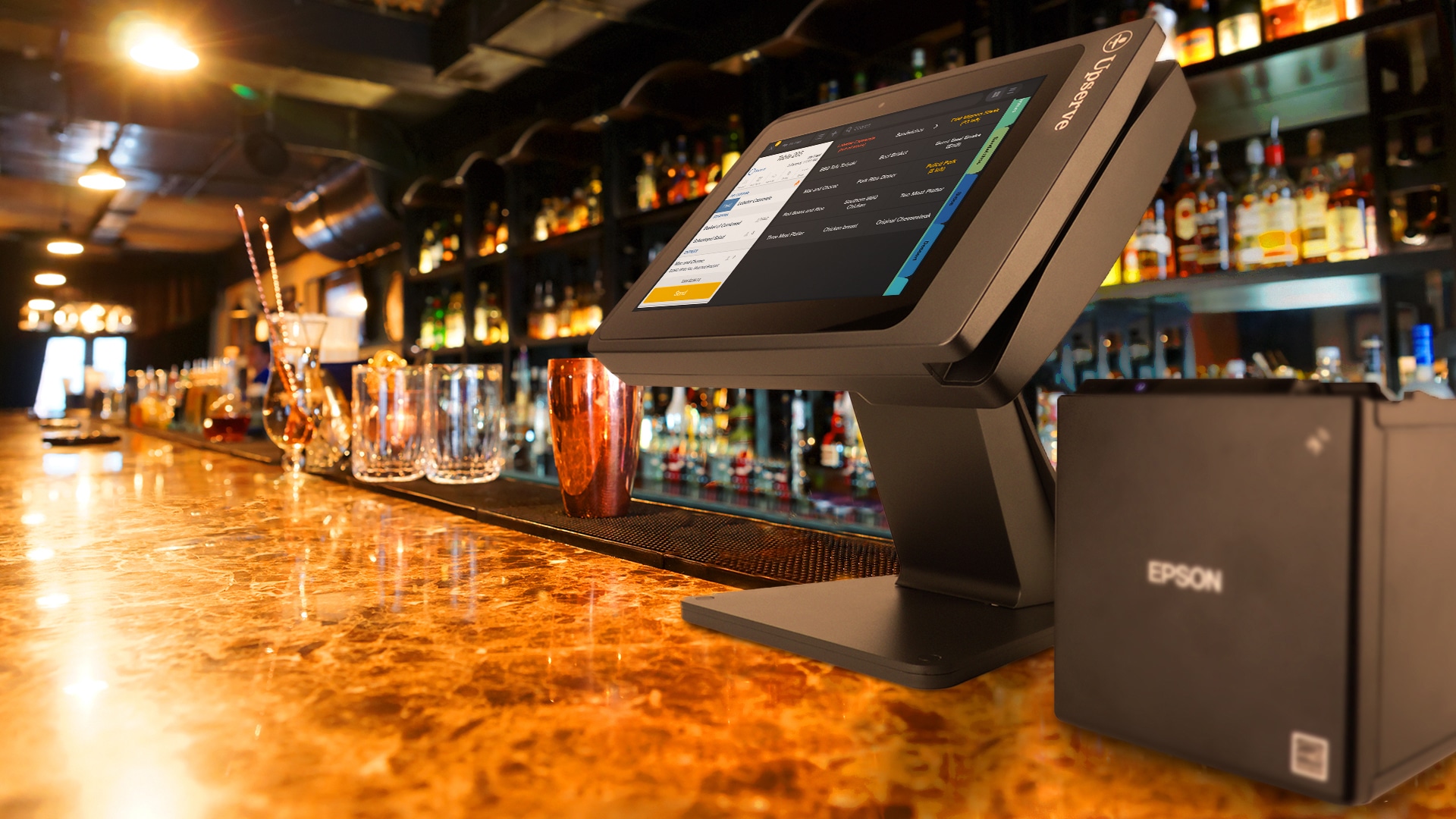
In the modern rapid business environment, having an effective point of sale (POS) platform is essential for achievement. As digital solutions keeps to evolve, so too do POS solutions, revolutionizing how businesses operate. A new POS system does not just simply handle exchanges; it serves as a holistic tool that can streamline operations, enhance customer experiences, and provide essential data analysis. Yet, the success of such a platform greatly relies on properly trained staff who can harness its full potential.
Providing your employees with the appropriate skills and abilities to operate a POS solution can drastically improve output and consumer satisfaction. This education not only addresses the operational aspects of the platform, but additionally emphasizes its role in improving service delivery and process effectiveness. In this piece, we will investigate the significance of POS system education for staff, highlighting critical components, security concerns, and strategies to fix common challenges. With the proper training, your staff will be motivated to thrive, thereby contributing to the general success of your organization.
Comprehending POS Systems
A point of sale solution, or checkout system, is an crucial instrument for companies that enables them to execute sales exchanges effectively. At its essence, a POS solution is the combination of physical devices and programs that allows sellers and service providers to process payments, control inventory, and evaluate sales data. Contemporary POS systems have evolved from classic cash registers, incorporating cutting-edge technology like cloud computing and mobile functionality, delivering businesses with increased versatility and efficiency.
One of the principal perks of adopting a contemporary POS system is its capability to streamline operations. Companies can automate various processes such as stock control, sales management, and customer relationship management. This not only conserves time but also diminishes the risk of errors. Moreover, many current POS systems include features like instant analysis and sales reports, allowing managers to make educated decisions based on exact data.
As POS technology continues to progress, the landscape is becoming increasingly targeted. Diverse industries, from accommodation to merchandising, have unique needs that a one-size-fits-all POS system may not accommodate. As Restaurant POS , niche POS solutions are now available, designed to address the distinct demands of different companies. By grasping the specifics of POS systems, entrepreneurs can select the appropriate solution that enhances their operations and enhances overall user experience.
Selecting the Proper POS System
Selecting the most suitable POS solution for your organization requires considering your particular needs and goals. Start by evaluating the type of sector you operate in, as different sectors such as commerce, hotel management, or e-commerce have specific needs. Understanding what features are essential for your business structure will direct your choosing process. For instance, a dining may focus on table management and payment processing, whereas a store might emphasize stock control and reward systems.
After you have recognized the necessary features, investigate accessible choices and evaluate each system's compatibility with your current infrastructure. Look for a system that offers scalability so it can grow alongside your enterprise. Web-based POS systems can provide versatility and cloud access, which is beneficial in the modern tech environment. Be mindful to the overall expense, which includes setup fees, monthly costs, and any additional costs for software updates or client services.
Ultimately, think about the experience for users for both your employees and patrons. A simple and easy-to-navigate interface can greatly improve output and lessen the time needed to learn during employee onboarding. Search for systems that offer robust client assistance and thorough instructional tools to ensure your employees is ready to operate the POS efficiently. Engaging employees in the decision-making process can also result in better commitment and more seamless integration once the solution is adopted.
Educating staff to use a POS platform effectively is essential for enhancing the benefits of the technology. Offering thorough training courses that includes not only the basic functionalities but also tailored use cases relevant to your industry is essential. Practical training, combined with user-friendly manuals and videos, assists employees become familiar with the system quickly. Frequent workshops and refresher courses can reinforce their knowledge and ensure them updated on new functionalities or changes.
In parallel to operational efficiency, promoting a strong awareness of security practices related to the POS system is vital. Employees should be educated on the importance of data protection, identifying phishing attempts, and the importance of secure passwords. Clear protocols should be defined for handling sensitive customer information, and staff should know the steps to take in case of a security. Frequent drills can also ensure that everyone is prepared to respond effectively in real-life situations.
Finally, integrating security protocols into daily operations emphasizes the importance of vigilance. Promoting open communication about any concerns regarding the POS system helps a culture of security awareness among employees. Frequent updates on potential risks and security protocols can ensure employees informed and engaged. By blending thorough training with a strong focus on security, businesses can create a safe and efficient atmosphere for both employees and customers.