

In today's dynamic commercial world, having the right tools can prove the divergence between succeeding and only getting by. Point of Sale platforms have progressed well beyond old-fashioned cash registers, changing the way organizations operate, handle payments, and communicate with clients. While businesses adopt contemporary technology, the adoption of an efficient POS system can bring about substantial improvements in efficiency, user experience, and general income.
The following analysis investigates how a state-of-the-art POS system changed the situation for one local business, illustrating the various benefits such systems deliver. From streamlining operations to enhancing inventory management and customer engagement, the story proves that a well-chosen POS system can both fulfill current operational needs but additionally equip a business for upcoming growth and prosperity. In exploring click here for more , we will also cover essential features of what a POS system comprises, its progression, and vital features to take into account when picking the optimal solution for your specific business needs.
Grasping POS Systems
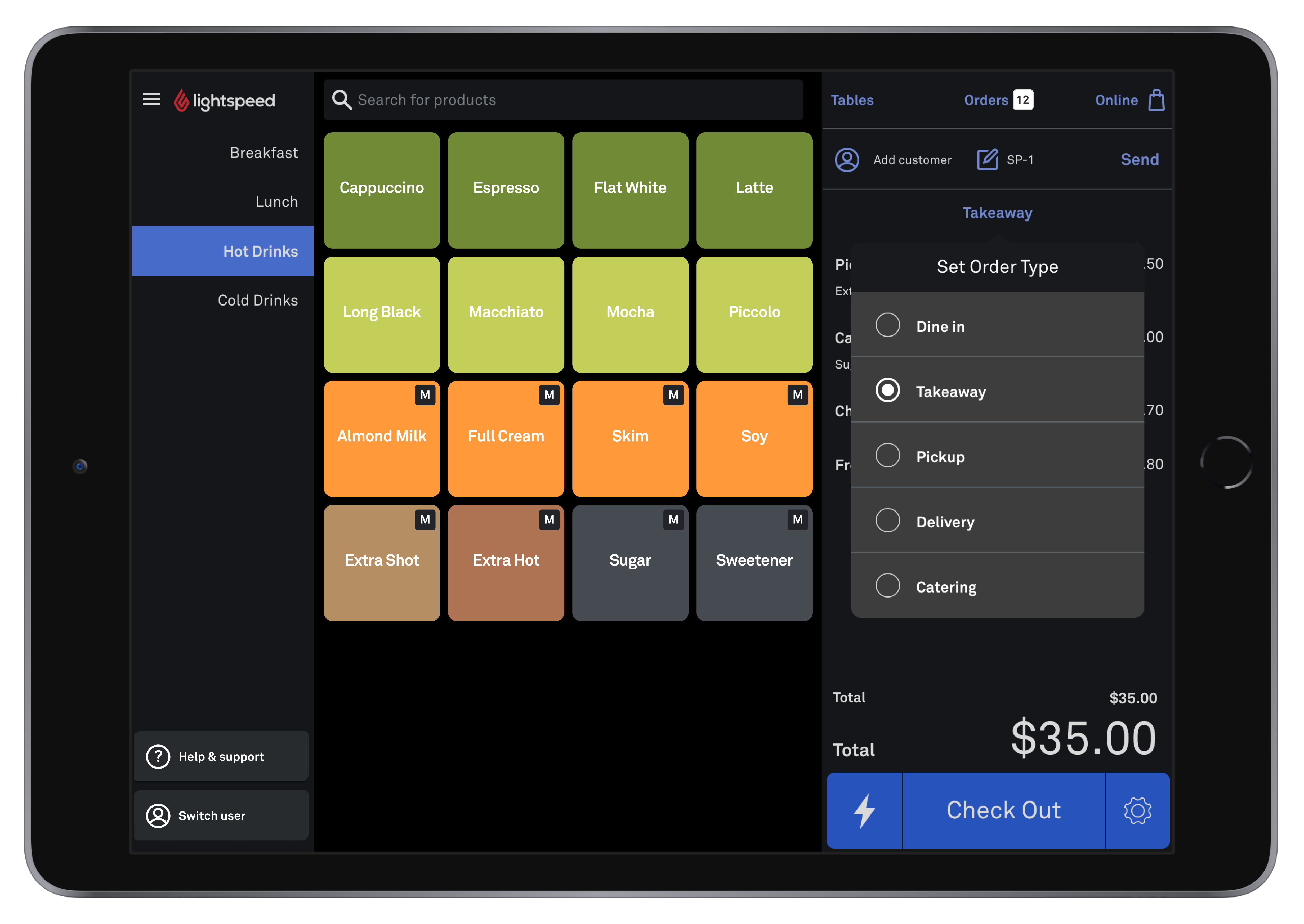
A Point of Sale system is an important resource for companies of any size, acting as the link between the customer and the company when a sale occurs. At its heart, a POS system streamlines the payment process, allowing for smooth payment processing, stock management, and revenue tracking. Companies can significantly improve operations by leveraging modern Point of Sale technology, which has developed into all-in-one solutions that integrate various features to address specific industry needs.
The progression of Point of Sale systems has moved from traditional cash registers to advanced cloud-based solutions. Early cash registers were simple mechanical devices that monitored transactions and sales manually. Today’s Point of Sale solutions offer innovative capabilities such as mobile payments, real-time inventory tracking, and detailed revenue analytics. https://lampwrench4.werite.net/a-next-generation-of-consumer-purchasing-how-pos-solutions-are-transforming illustrates how businesses can adjust to shifting consumer preferences while enhancing business efficiency.
For businesses looking to stay competitive, understanding the benefits and features of a modern Point of Sale system is essential. These solutions not just enable transactions but also enable businesses to collect data through information analytics, improve customer satisfaction, and integrate smoothly with other company software. By embracing the latest developments in POS technology, entrepreneurs can make informed choices that fuel growth and simplify operations.
Benefits of Current POS Solutions
Modern POS solutions offer a comprehensive suite of features that considerably enhance business operations. One of the key advantages is the ability to simplify transactions, resulting in faster checkouts and minimized wait times for customers. This efficiency not only boosts customer satisfaction but also allows businesses to serve more clients in a shorter period. Moreover, integrated inventory management features enable business owners to manage stock levels in real-time, preventing overstocking or shortages and improving inventory turnover.
Another important benefit is the access to critical data analytics. Contemporary POS systems collect and evaluate data on sales trends, customer preferences, and employee performance. This data empowers business owners to make knowledgeable strategic decisions, tailor marketing campaigns, and adjust product offerings based on customer behavior. By utilizing these insights, businesses can improve their competitive edge and respond more agilely to market demands.
Data protection and compliance are also major benefits of modern POS solutions. With cutting-edge encryption and security protocols in place, modern systems protect sensitive customer data and minimize the risk of fraud. Regulatory features that align with industry regulations, such as PCI compliance, ensure that businesses not only safeguard their information but also foster trust with their customers. Regular updates and security patches keep these systems robust against cyber threats, helping businesses maintain a protected operational environment.
Safeguarding and Conformity in Point of Sale Systems
Maintaining the security of a POS system is crucial for any company that manages transaction information. With the growing prevalence of cybersecurity threats, businesses must implement strong safeguards to protect confidential client data. Encryption of payment data, safe verification processes, and stringent access controls are essential components of a secure POS system. Additionally, routine evaluations and upgrades help safeguard against new vulnerabilities and maintain adherence with sector standards.
Adherence with regulations such as PCI DSS is crucial in maintaining a safe point of sale environment. PCI compliance sets the framework for organizations to process customer data safely and helps mitigate the threats of information leaks. Businesses must remain aware about regulatory obligations and regularly audit their systems and processes to ensure they meet these requirements. Non-compliance to comply not only exposes businesses to security risks but can also result in heavy fines and reputational damage.
Another key factor of point of sale security is staff training. Even with the most sophisticated technology, mistakes made by staff can lead to security breaches. Training staff on proper handling of payment information, recognizing phishing attempts, and using the point of sale system safely can significantly decrease the risk of breaches. By cultivating a security-aware culture within the company, businesses can improve their complete security posture and safeguard both their customers and themselves from possible threats.